
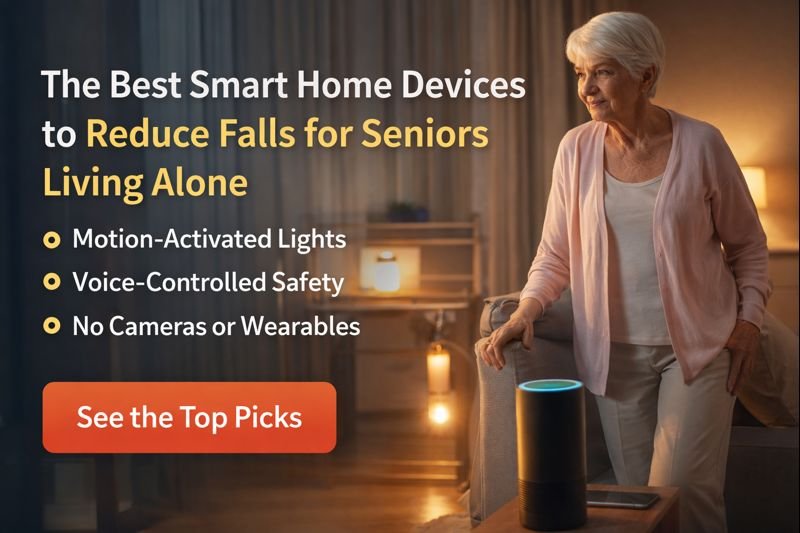
Falls are one of the biggest safety risks for seniors who live alone. A single slip—especially at night or in low-visibility areas—can quickly turn into a serious emergency. The good news? Today’s smart home technology can dramatically reduce fall risk without being complicated or overwhelming.
What Smart Home Devices Do Renters Actually Need?
If you’re renting, you don’t need a full smart home system to make a big impact.
Most renters only need a few key devices:
- Smart plugs for lamps and small appliances
- Smart bulbs for lighting control
- A smart speaker for voice commands
- Optional sensors or cameras for security
You don’t need to automate everything at once.
👉 Start with a few essential devices and expand as needed.
This guide breaks down the best smart home devices that help seniors stay safe, confident, and independent—even when no one else is home.
| Product | Best For | Fall-Prevention Benefit | Ease of Use | Action |
|---|---|---|---|---|
| Philips Hue Motion Sensor + Lights | Nighttime walking | Automatically lights paths in the dark | Very Easy | View on Amazon |
| Amazon Echo (5th Gen) | Hands-free safety | Voice control for lights and calls | Very Easy | View on Amazon |
| Kasa Smart Plug by TP-Link | Lamp control | Eliminates bending and rushing | Very Easy | View on Amazon |
| GE LED Motion Sensor Night Light | Night navigation | Soft lighting prevents disorientation | Very Easy | View on Amazon |
| Aqara Motion Sensor | Living alone | Alerts family to inactivity (no cameras) | Easy | View on Amazon |
Best Smart Home Setup for Renters (Simple & No Wiring)
The best smart home setup for renters should be simple, flexible, and require no permanent changes.
A practical setup includes:
- A smart speaker
- A few smart plugs
- Smart lighting
- Optional security devices
Avoid setups that require drilling or rewiring.
👉 Focus on plug-and-play devices that are easy to install and remove.
Why Falls Are So Dangerous for Seniors Living Alone
When a senior lives alone, a fall becomes more than just a physical injury—it becomes a time risk. Without immediate help, even minor falls can lead to complications like dehydration, pressure injuries, or delayed medical care.
Smart home devices help by:
- Improving visibility
- Reducing nighttime movement risks
- Eliminating the need to rush or fumble
- Alerting family members when something seems wrong
According to the CDC, falls are the leading cause of injury-related hospital visits among older adults, making fall prevention a critical priority for seniors living alone.
Do Smart Home Devices Require WiFi?
Most smart home devices rely on WiFi to function, especially for:
- App control
- Voice assistant integration
- Remote access
However, some devices can operate using:
- Bluetooth
- Zigbee or Matter networks
- Local hubs
👉 For renters, WiFi devices are usually the easiest and most convenient option.
Who This Is For
This guide is designed for renters and apartment dwellers who want to improve security and automation without making permanent changes.
It’s a great fit if you:
- Want a simple way to monitor movement inside your apartment
- Are looking for lease-friendly devices (no wiring or drilling)
- Use or plan to use Alexa for automation and control
- Want to add security without installing a full system
- Prefer quick, beginner-friendly setup
It’s also ideal if you’re just starting your smart home setup and want affordable, easy-to-use motion sensors that work right out of the box.
This may not be the best fit if:
- You’re building a full professional security system
- You need advanced surveillance or outdoor coverage
- You’re looking for hardwired, permanent installations
For most renters, motion sensors offer one of the easiest and most effective ways to add smart automation and basic security without complicating your setup.
When Motion Sensors Are NOT Necessary in an Apartment
Motion sensors aren’t always needed for every setup.
You may not need one if:
- You already have full camera coverage
- You live in a very small studio apartment
- You don’t use automation or alerts
In these cases, a simpler setup with smart plugs or cameras may be enough.
Key Features That Matter Most in Apartment Motion Sensors
When choosing a motion sensor for an apartment, focus on performance—not just features.
The most important factors include:
- Detection accuracy
- Reliable connectivity
- Adjustable sensitivity
- Compatibility with Alexa or other platforms
Avoid overpaying for features that don’t improve real-world performance.
Consistency matters more than complexity.
1. Smart Motion-Activated Lights (A Must-Have)
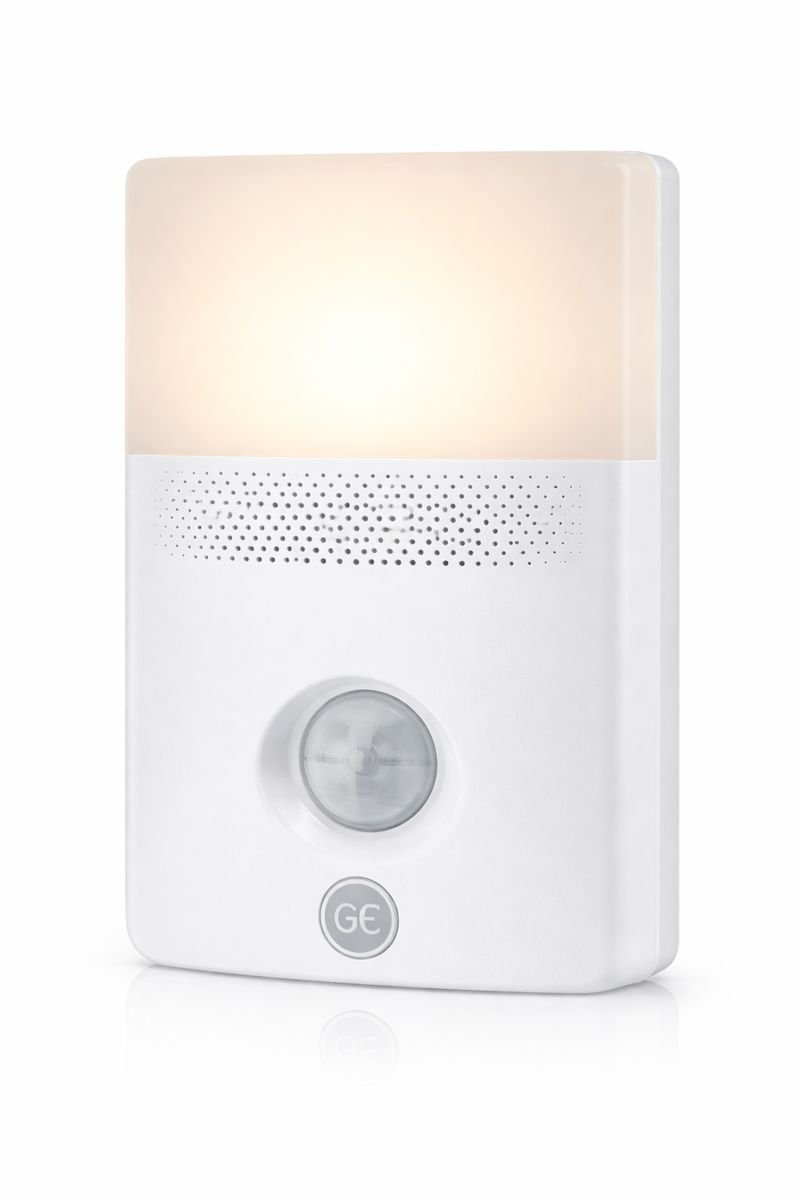
GE LED Motion Sensor Night Light
Best for: Bedrooms, bathrooms, and hallways at night.
This motion-activated night light provides soft, automatic lighting that helps seniors move safely without harsh brightness.
- ✔ Automatically turns on at night
- ✔ Soft, glare-free lighting
- ✔ Very easy to install
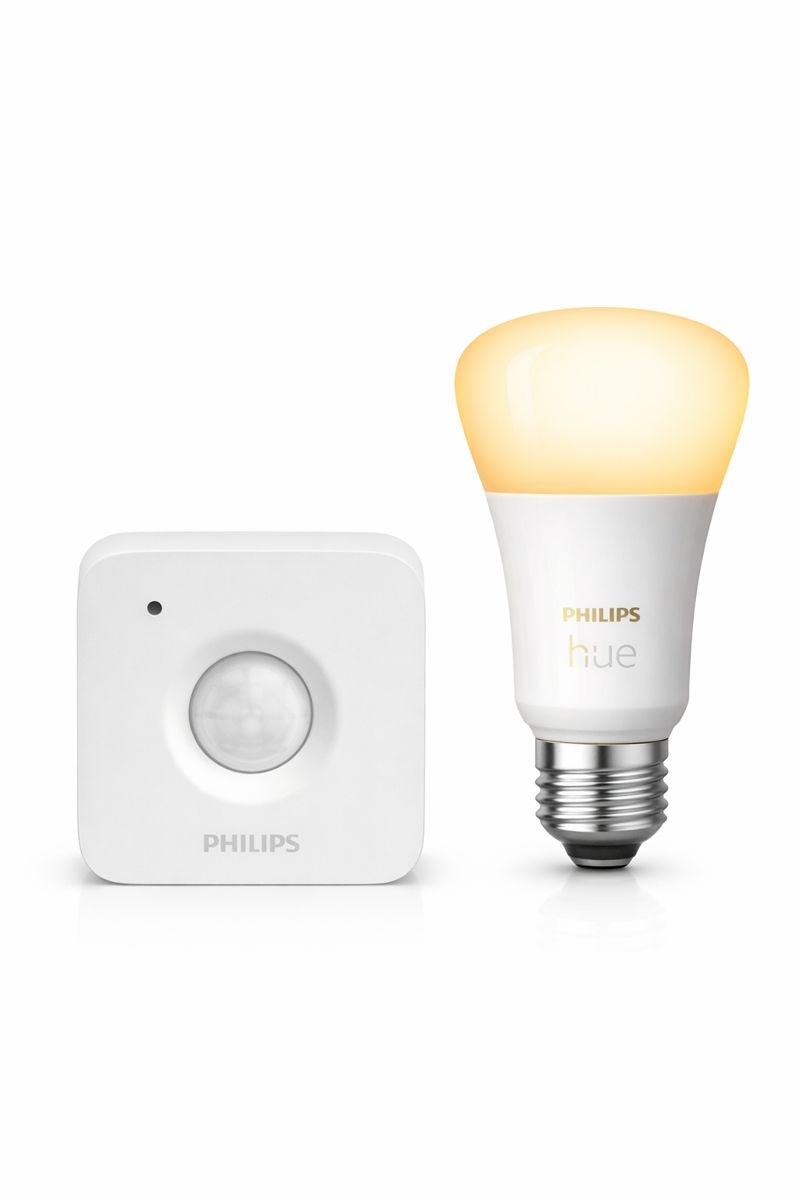
Philips Hue Motion Sensor with Smart Lights
Best for: Nighttime trips to the bathroom, hallways, and stairs.
The Philips Hue Motion Sensor automatically turns lights on when movement is detected, helping seniors avoid walking in the dark and reducing fall risk.
- ✔ Automatic lighting when movement is detected
- ✔ No switches or bending required
- ✔ Excellent for seniors living alone
Best for: Nighttime trips to the bathroom, hallways, stairs
Motion-activated lights automatically turn on when movement is detected, preventing seniors from walking in the dark. These lights remove the need to search for switches or walk with limited visibility.
Why they reduce falls:
- Light turns on instantly
- No bending or reaching
- Ideal for hallways, bathrooms, and bedrooms
✅ Tip: Place them low to the ground to light walking paths.
| Senior Situation | Recommended Product | Why It Works | Action |
|---|---|---|---|
| Gets up at night | Philips Hue Motion Sensor + Lights | Lights turn on instantly when movement is detected | View on Amazon |
| Balance or mobility issues | Amazon Echo (5th Gen) | Control lights and call for help without moving | View on Amazon |
| Lives alone | Aqara Motion Sensor | Detects unusual inactivity without wearables | View on Amazon |
| Hates technology | Kasa Smart Plug by TP-Link | Simple plug-and-play lamp control | View on Amazon |
The National Institute on Aging recommends improving lighting, removing hazards, and using supportive technology to reduce fall risk and help seniors remain independent at home.
Where Motion Sensors Work Best in an Apartment
Placement is one of the biggest factors in how effective a motion sensor will be.
For apartments, the most effective locations include:
- Entryways and front doors
- Hallways and high-traffic areas
- Living rooms near main walkways
- Bedrooms (for nighttime automation)
Avoid placing sensors:
- Directly facing windows (false triggers)
- Near heating vents or AC units
- In low-traffic corners
Proper placement can make even budget sensors perform like premium ones.
2. Voice-Controlled Assistants (Hands-Free Safety)
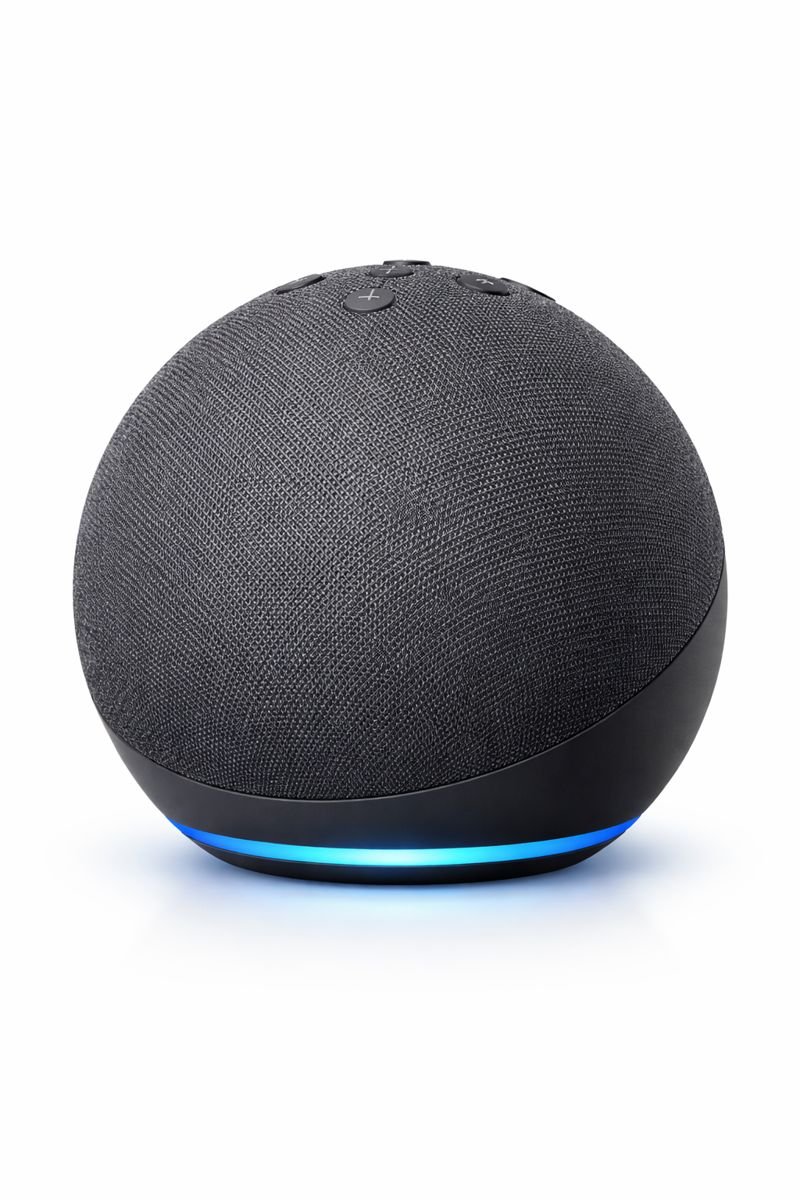
Amazon Echo (5th Gen)
Best for: Hands-free light control and emergency help.
The Amazon Echo allows seniors to turn on lights, make calls, and get help using simple voice commands—without moving or rushing.
- ✔ Simple voice commands
- ✔ Helps avoid rushing or reaching
- ✔ Easy for seniors who dislike technology
Best for: Seniors with mobility or balance issues
Voice assistants allow seniors to control lights, ask for help, or make calls without moving at all.
How they help prevent falls:
- Turn lights on before standing up
- Call family or emergency contacts hands-free
- Set reminders to move slowly or take medication
Even seniors who “don’t like technology” usually adapt quickly to voice commands.
3. Smart Plugs for Lamps and Appliances
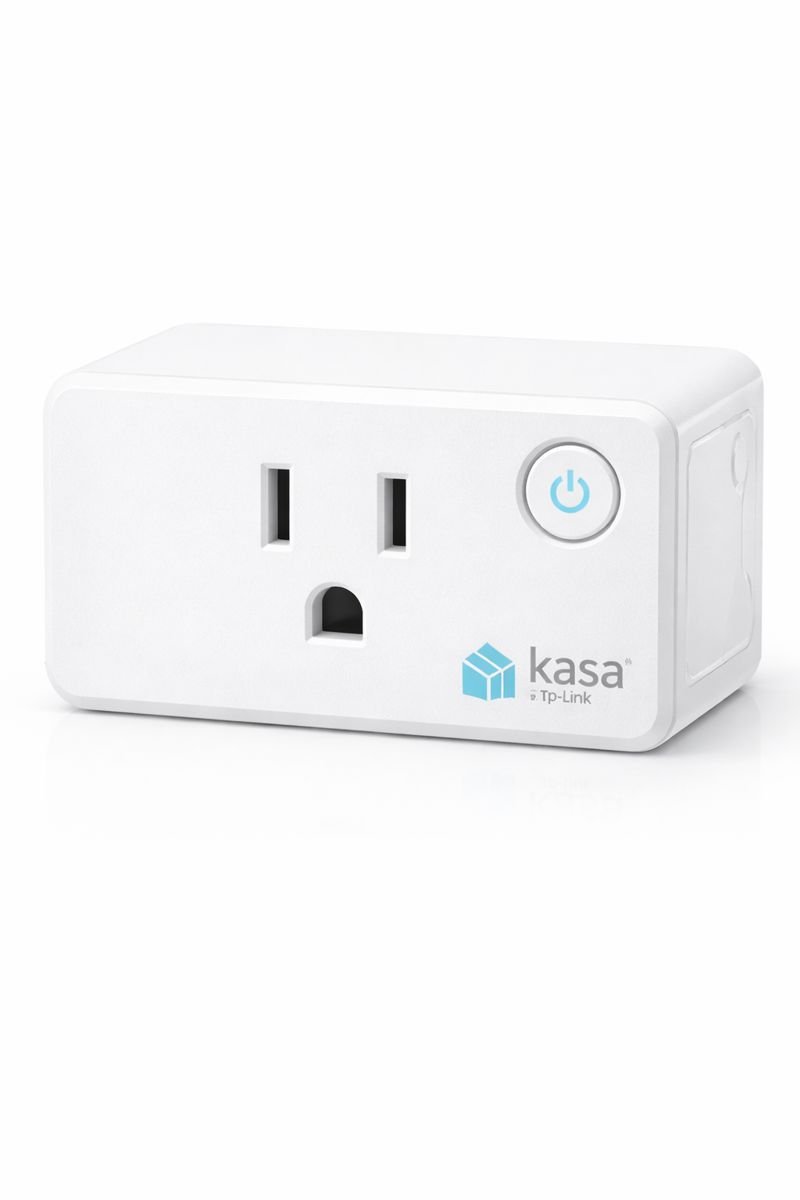
Kasa Smart Plug by TP-Link
Best for: Turning lamps on without bending or walking in the dark.
This smart plug allows lamps to turn on automatically or by voice, helping seniors avoid falls caused by poor lighting.
- ✔ Plug-and-play setup
- ✔ Works with table and floor lamps
- ✔ Affordable fall-prevention solution
Best for: Eliminating bending, stretching, and rushing
Smart plugs let seniors control lamps or small appliances with voice commands or schedules.
Fall-prevention benefits:
- No bending to unplug devices
- No rushing across the room
- Lamps can turn on automatically at sunset
This is one of the simplest upgrades with an immediate safety impact.
| Product | Lighting Type | Automatic? | Best Location | Action |
|---|---|---|---|---|
| GE LED Motion Sensor Night Light | Soft ambient | Yes | Bedroom, bathroom, hallway | View on Amazon |
| Philips Hue Motion Sensor + Lights | Full room lighting | Yes | Stairs, hallways, main rooms | View on Amazon |
4. Smart Nightlights With Automatic Dimming
Best for: Bedrooms, bathrooms, and stairways
Smart nightlights provide soft, consistent lighting without glare. Unlike overhead lights, they don’t disrupt sleep or cause disorientation.
Why they’re safer:
- Reduce sudden brightness changes
- Keep walkways visible all night
- Prevent tripping on furniture or rugs
Many seniors fall simply because they wake up disoriented—nightlights solve that problem quietly.
5. Motion Sensors for Activity Awareness (No Cameras Needed)
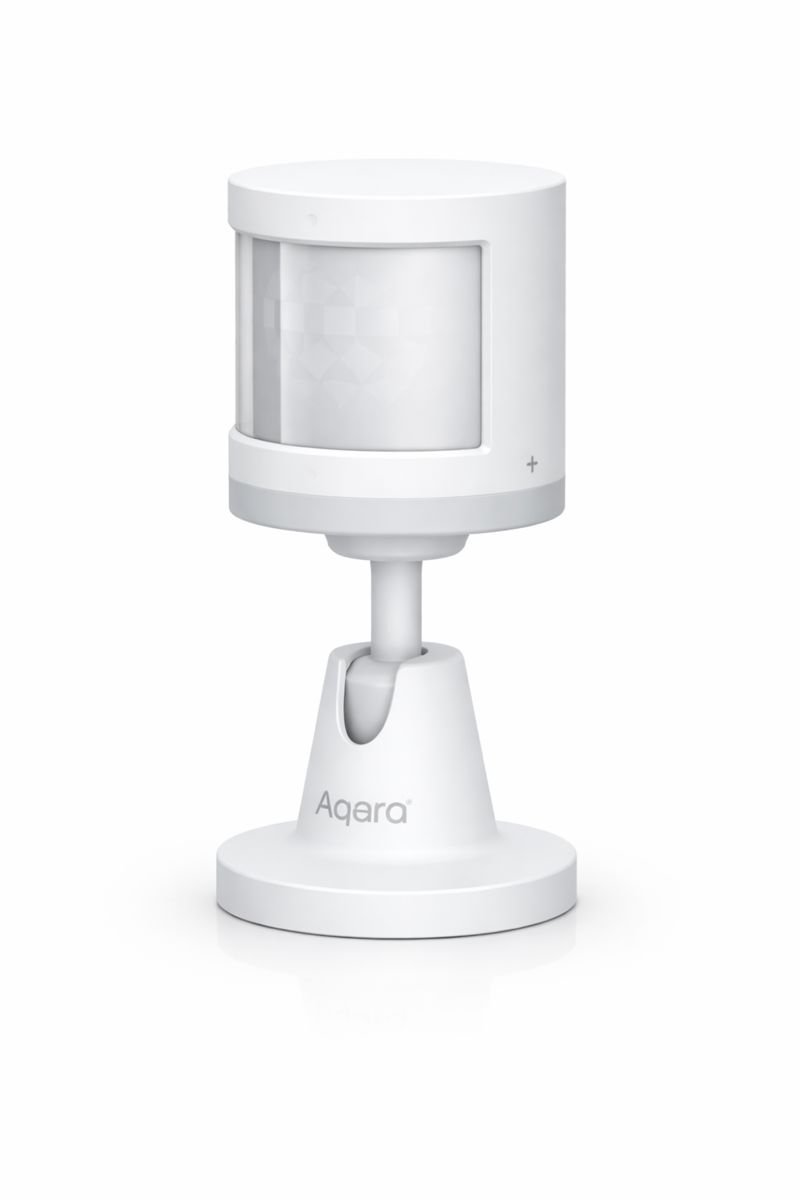
Aqara Motion Sensor
Best for: Monitoring activity without cameras or wearables.
The Aqara Motion Sensor tracks movement patterns and can notify family members if no activity is detected—without invading privacy.
- ✔ No cameras
- ✔ No wearable devices required
- ✔ Ideal for seniors who value privacy
Best for: Family peace of mind and early warning
Motion sensors track movement patterns. If no movement is detected for a long period, family members can be alerted.
How this helps:
- Identifies possible falls or inactivity
- No wearable devices required
- No cameras (privacy-friendly)
This is especially valuable for seniors who refuse medical alert buttons.
6. Smart Door and Floor Sensors
Best for: Entryways and risky transition areas
Door and floor sensors help identify when a senior is moving through high-risk areas like entryways or stairs.
Safety advantages:
- Can trigger lights automatically
- Help family understand daily routines
- Reduce surprise movements in dark areas
7. Simple Smart Displays (Optional but Powerful)
Best for: Visual reassurance and reminders
Smart displays can show:
- Large clocks
- Weather alerts
- Reminder messages
- Emergency contacts
Less confusion means fewer rushed movements—and fewer falls.
What Actually Triggers Motion Sensors (And What Doesn’t)
Understanding how motion sensors work helps prevent false alerts.
Most sensors are triggered by:
- Body heat (infrared detection)
- Movement across detection zones
They are NOT reliably triggered by:
- Small pets (depending on settings)
- Objects without heat
- Movement behind walls or obstacles
Knowing this helps you choose the right sensor and set it up correctly.
Are Smart Home Devices Allowed in Rentals?
Most smart home devices are renter-friendly and allowed in rental properties.
Devices like:
- Smart plugs
- Smart bulbs
- Wireless cameras
- Sensors
…can usually be installed without landlord approval.
However, hardwired devices or permanent installations may require permission.
👉 Always choose no-drill, removable devices to stay lease-safe.
What Makes a Smart Device Senior-Friendly?
When choosing devices for fall prevention, look for:
- ✅ No apps required for daily use
- ✅ Automatic or voice-controlled operation
- ✅ No wearables needed
- ✅ Simple setup and “set-and-forget” use
The best devices work quietly in the background and don’t require learning new habits.
Common Problems With Motion Sensors (And How to Fix Them)
Even the best motion sensors can have issues if not set up correctly.
Common problems include:
- False alerts from heat or sunlight
- Missed detections due to poor placement
- Delayed notifications
These can usually be fixed by:
- Adjusting sensitivity settings
- Repositioning the sensor
- Improving WiFi or hub connectivity
Proper setup makes a bigger difference than the sensor itself.
Quick Decision Guide: Which Motion Sensor Should You Choose?
If you’re unsure which option to pick, use this simple guide:
- Want basic automation → Choose a simple PIR sensor
- Want Alexa integration → Choose Alexa-compatible sensors
- Want security alerts → Choose sensors with strong notification systems
- Want full coverage → Combine sensors with cameras
This helps you choose based on your needs—not guesswork.
Final Thoughts: Technology That Protects Independence
Smart home devices don’t replace care—but they extend independence. For seniors living alone, these tools reduce fall risks, build confidence, and provide peace of mind for family members.
The goal isn’t more technology.
The goal is fewer falls, safer movement, and dignified independence.
Want More Help?
If you’re building a safer home for a senior:
- Start with motion lights + voice control
- Add night lighting
- Then layer in activity monitoring
Small changes make a big difference.
Can smart home devices really help reduce falls for seniors?
Yes. Smart home devices reduce fall risk by improving lighting, eliminating the need to rush or bend, and allowing seniors to control their environment hands-free. Motion lights, voice control, and automated lighting are especially effective.
What are the best smart home devices to reduce falls for seniors living alone?
The best smart home devices for reducing falls include motion-activated lights, smart nightlights, voice-controlled assistants, smart plugs for lamps, and motion sensors that alert family if unusual inactivity occurs.
Do seniors need to wear devices to prevent falls with smart home technology?
No. Many smart home devices reduce fall risk without wearables. Motion lighting, voice control, and activity sensors work automatically and are ideal for seniors who dislike medical alert buttons or wearable devices.
Are smart home devices difficult for seniors to use?
Most fall-prevention smart home devices are designed to be simple and hands-free. Many work automatically or respond to basic voice commands, making them easy for seniors who are not comfortable with technology.
Can smart home devices help seniors avoid falls at night?
Yes. Smart nightlights and motion-activated lighting automatically illuminate hallways, bedrooms, and bathrooms at night, reducing trips, slips, and disorientation in low-light conditions.
Do smart home fall-prevention devices work without cameras?
Yes. Many smart home devices reduce fall risk and monitor activity without using cameras. Motion sensors, smart lights, and automation provide safety while protecting privacy.
Are Smart Home Devices Worth It for Renters?
Smart home devices are one of the easiest ways to upgrade your living space without making permanent changes.
They offer:
- Convenience and automation
- Improved security
- Easy installation
- Portability when moving
Most devices can be set up in minutes and taken with you when you move.
👉 For renters, smart home devices are absolutely worth it.
Pingback: No-Drill Smart Home for Apartments: Senior Safety Guide
Pingback: Best Smart Home Devices for Caregivers (Monitor, Protect & Stay Connected – 2026)