
Introduction
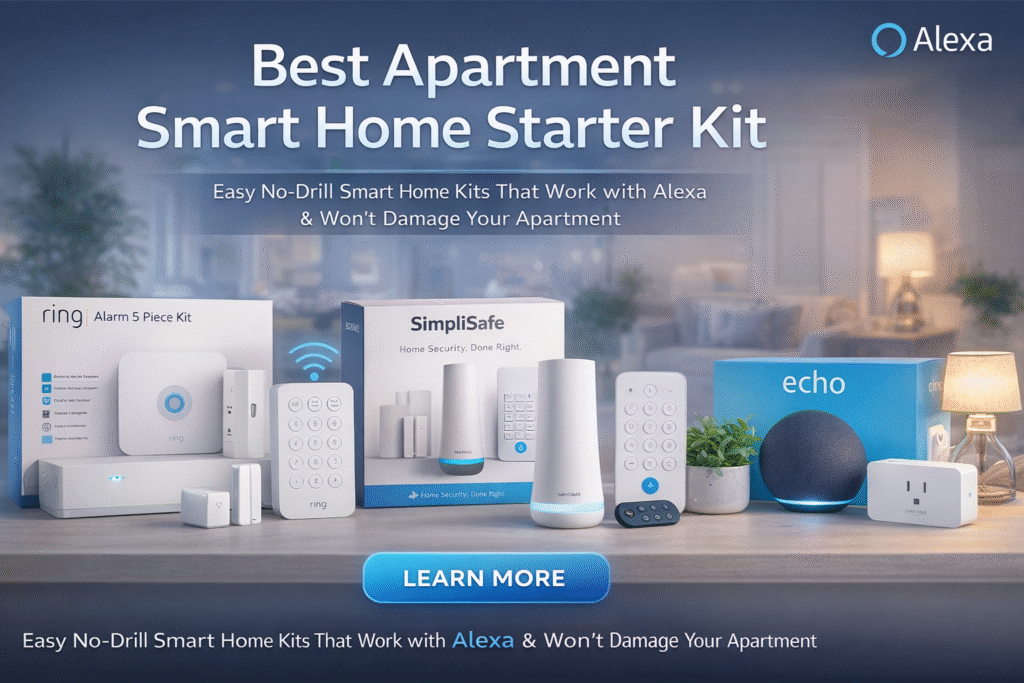
This guide breaks down the best apartment smart home starter kit options that work for renters, small spaces, and lease-friendly installations. Renters often make the mistake of buying an overbuilt smart home starter kit that assumes they own the place. You end up with wall anchors, wired modules, or subscription contracts that make moving stressful and risk your deposit. That friction—worry about losing money and the hurdle of complex installs—leads many to delay any security upgrades at all. You may feel overwhelmed, unsure what’s allowed, and guilty for wanting safety without permanent changes. When building a starter kit, renters often choose between Alexa devices and newer smart home standards like Matter. If you’re unsure which ecosystem fits your apartment setup best, see our guide on Matter vs Alexa: What Renters Should Choose in 2026.
Start simple and keep future options removable: Basic setup → plug-and-play. As needs grow, shift to a Growing setup → add a bridge that ties more devices while staying lease-friendly. When you commit long-term, Full Coverage → centralized hub offers deeper automation without surprise property changes. This guide prioritizes lease compliance and renter mobility over enthusiast customization. Keep plans flexible so you can adapt between rentals. Many starter kits work with Alexa voice control and routines, making it easy to automate lights, sensors, and plugs in small apartments. According to the Alexa Smart Home documentation, Alexa can control a wide range of compatible smart home devices through routines and voice commands.
Quick Picks (Best Apartment Smart Home Starter Kits)
Don’t want to compare everything? Start here:
- 🏆 Best Overall: Ring Alarm 5-Piece Kit (2nd Gen) – best all-in-one security and smart home setup
- ⚡ Easiest Setup: SimpliSafe 8-Piece System – quick, wireless installation with simple control
- 💰 Best Budget: Amazon Echo (4th Gen) Starter Setup – affordable way to start automating your apartment
👉 Simple rule: Choose Ring for a full system, SimpliSafe for simplicity, and Echo for a budget-friendly starter setup.
What Is an Apartment Smart Home Starter Kit?
An apartment smart home starter kit is a collection of basic smart devices designed to automate and control your living space without requiring permanent installation.
Most starter kits include:
- A smart speaker or hub
- Smart plugs for appliances
- Smart bulbs for lighting
- Optional sensors for added security
These kits are designed to be easy to install, beginner-friendly, and completely removable—making them ideal for renters.
The goal is to create a simple system that improves convenience, security, and energy efficiency without violating your lease.
How a Smart Home Starter Kit Works
A smart home starter kit connects your devices through a central system—usually controlled by an app or voice assistant like Amazon Alexa.
Here’s how it works:
- Devices connect to your WiFi network
- You control them through an app or voice commands
- You create automations and routines
- Devices respond instantly
This allows you to control multiple devices from one place, making your apartment more efficient and convenient.
👤 Who This Is For
- Short-term renters who need removable, non-invasive security
- Budget-conscious tenants avoiding long monitoring contracts
- Small apartment residents with limited wall space
- People who want simple setup and easy uninstall before moving
📑 Table of Contents
- Introduction
- Who This Is For
- Quick Comparison Table
- Decision Shortcut
- FAQs
- Final Verdict
- About the Author
The best apartment smart home starter kit depends on how much security and automation you want in your rental. The comparison below highlights renter-friendly systems that work with Alexa and require minimal installation.
WHAT EVERY STARTER KIT SHOULD INCLUDE
Before choosing a starter kit, it helps to understand what actually matters.
A solid smart home starter kit should include:
- Smart speaker or hub → controls everything
- Smart plugs or bulbs → basic automation
- Optional sensors → added functionality or security
You don’t need everything at once. The best kits focus on the essentials first.
📊 Best Apartment Smart Home Starter Kit Comparison
| Product | Contract Required | DIY Install | Monitoring Option | Best For | Works With Alexa |
|---|---|---|---|---|---|
| Ring Alarm 5-Piece Kit (2nd Gen) | No long-term contract | Yes (removable setup) | Optional monthly plan | Renters planning long-term growth | Yes |
| SimpliSafe 8-Piece Security System | No long-term contract | Yes (wireless & adhesive) | Optional month-to-month | Quick setup & simple control | Yes |
| Amazon Echo (4th Gen) Starter Setup | No long-term contract | Yes (compact & wireless) | Optional low-cost plan | Budget-friendly small apartments | Yes |
BEST USE CASES FOR STARTER KITS
Starter kits work best when they’re used to solve everyday problems.
Here’s where they make the biggest impact:
- Lighting control → automate lights without rewiring
- Convenience → control devices with your voice
- Energy savings → turn off unused devices automatically
- Basic security → monitor entry points with sensors
Start with one or two use cases, then expand as needed.
How to Set Up a Smart Home Starter Kit in an Apartment
Setting up a smart home starter kit is quick and doesn’t require technical experience.
Step 1: Set Up Your Smart Speaker or Hub
This acts as your control center.
Step 2: Plug in Smart Devices
Connect smart plugs and bulbs.
Step 3: Download the App
Use apps like Alexa to control everything.
Step 4: Connect Devices
Follow in-app instructions to sync devices.
Step 5: Create Automations
Set schedules and routines for daily use.
This entire process can usually be completed in under 30 minutes.
HOW LONG DOES IT TAKE TO SET UP?
One of the biggest advantages of a starter kit is how quick it is to set up.
Most renters can:
- Set up a smart speaker in minutes
- Connect plugs and bulbs in under 10 minutes
- Build a full system in under an hour
You don’t need technical experience—just follow the app instructions.
Best Smart Home Starter Kit Setup for Apartments
The best starter kit setup for an apartment should be simple, flexible, and renter-friendly.
A practical setup includes:
- A central hub or smart speaker
- A few sensors for security
- Smart plugs or lights
- Optional camera for monitoring
Avoid overcomplicating your setup — especially in smaller spaces.
👉 Start with a basic kit and expand as needed.
Do You Need a Hub for a Smart Home Starter Kit?
Many starter kits include a hub — but not all smart home setups require one.
Here’s the difference:
- Hub-based kits: Better automation and reliability
- WiFi-based setups: Easier to install, no hub needed
For apartment renters, hub-based kits are useful if you want a more complete system, while WiFi setups are simpler for beginners.
👉 Choose based on whether you want simplicity or long-term scalability.
Ring Alarm 5-Piece Kit (2nd Gen)
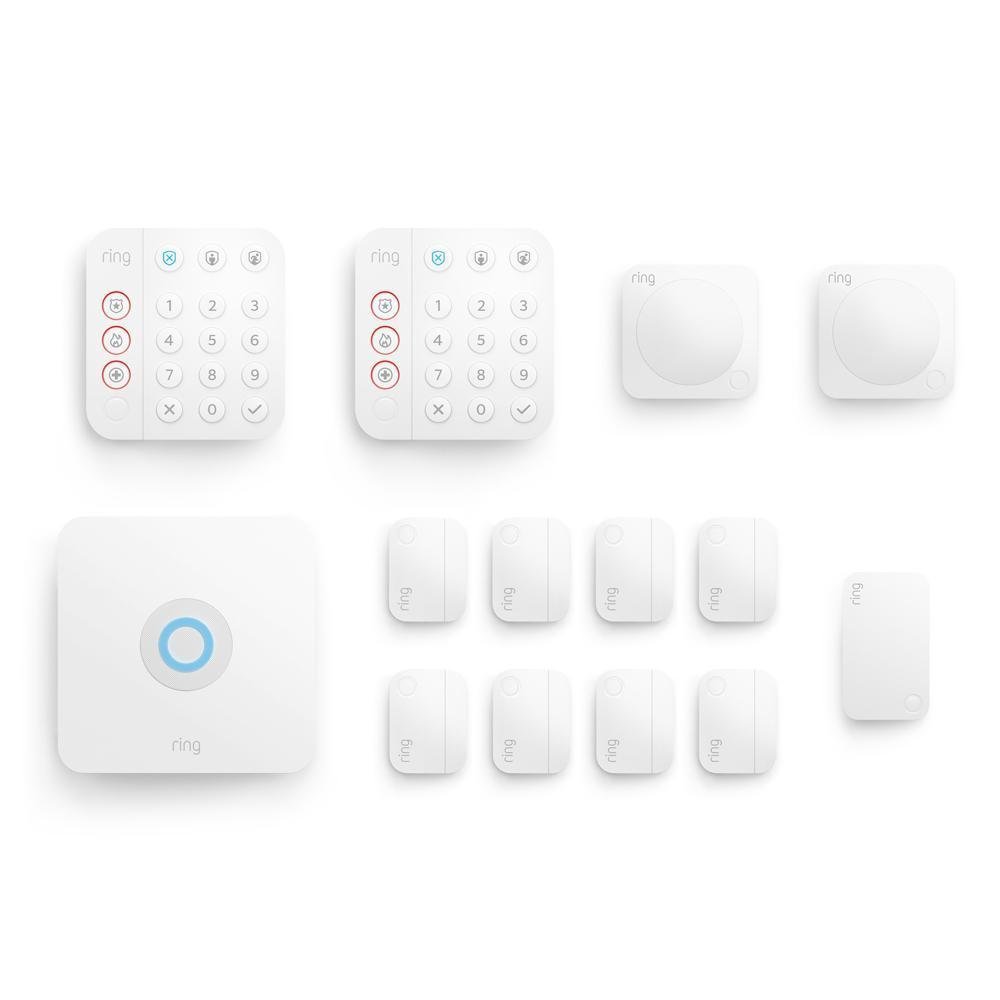
Best For: Renters starting a simple Alexa security system
What It Is: A compact alarm kit with sensors, keypad, and base station for basic home security.
Why Renters Love It: Easy adhesive sensors and plug-in components avoid drilling and simplify removal.
Real-Life Scenario: Protects a small apartment by alerting your phone when doors or windows open, without landlord permission or complex installation.
One Limitation: Base station may need periodic firmware updates tied to vendor cloud services.
SimpliSafe 8-Piece Security System
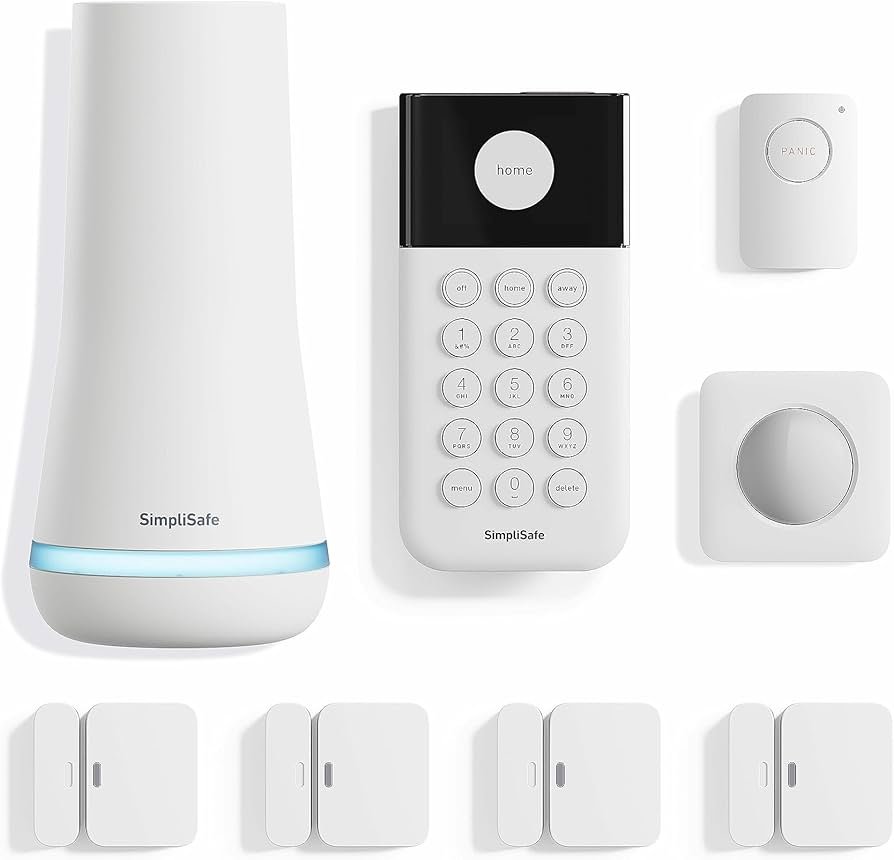
Best For: Renters who want a complete security setup
What It Is: A more complete kit including multiple sensors and a keypad for broader coverage.
Why Renters Love It: Expandable system with optional professional monitoring and simple adhesive mounts for renters.
Real-Life Scenario: Adds living-room and entry sensors to secure a two-bedroom apartment without drilling or landlord permission.
One Limitation: Professional monitoring incurs extra monthly cost if chosen.
Amazon Echo (4th Gen) Starter Setup
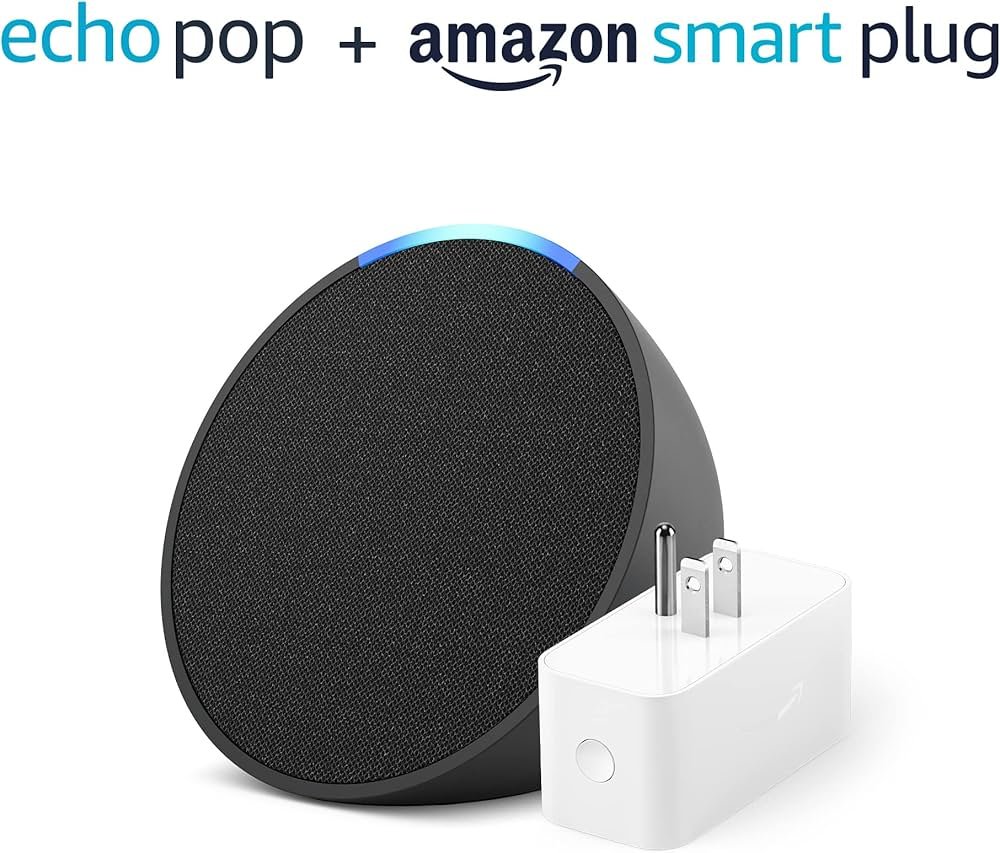
Best For: Budget smart home automation starter kit
What It Is: A budget-friendly smart speaker that doubles as a simple hub for compatible devices.
Why Renters Love It: Affordable voice control and basic automation without permanent installation.
Real-Life Scenario: Use as a central voice-controlled hub to manage lights and plugs in a studio apartment.
One Limitation: Not a full security system; add sensors separately for intrusion alerts.
Best Smart Home Setup for Apartments (Simple & Effective)
If you’re starting from scratch, you don’t need a complex system.
A simple and effective setup includes:
- One smart speaker
- 2–3 smart plugs
- 1–2 smart bulbs
This setup gives you full control, automation, and flexibility without overcomplicating your space.
The key is keeping your setup simple and scalable.
Are Smart Home Starter Kits Allowed in Apartments?
Most smart home starter kits are designed to be renter-friendly and don’t require permanent installation.
Devices like:
- Sensors
- Smart plugs
- Cameras
…can usually be installed without drilling or wiring.
However, hardwired systems or permanent installations may require landlord approval.
👉 Always choose no-drill, removable devices to stay lease-safe.
Many renters start with a simple Alexa speaker and a smart plug before expanding their system. If you’re building your setup on a budget, check out our guide to the best Alexa devices under $50 for renters.
Do not choose based on features alone. Basic means removable plug-and-play options for immediate, low-impact security. Growing brings a small bridge to expand without altering the apartment. Full Coverage uses a centralized hub for deeper automation when you plan to stay longer. All choices guard against lease violations and hard installs.
How Much Does a Smart Home Starter Kit Cost?
The cost of a smart home starter kit can vary depending on how many devices you include.
A basic setup typically ranges from:
- $50–$100 for entry-level setups
- $100–$250 for more complete systems
Starting small is often the best approach. You can always expand your system over time without needing to replace your existing devices.
REAL-LIFE STARTER KIT SCENARIOS
This is where starter kits actually prove their value.
Morning Routine
Lights turn on, and your day starts automatically.
Leaving the Apartment
One command turns off lights and devices.
Coming Home
Your space is ready the moment you walk in.
Weekend Setup
You can install everything in under an hour.
Starter kits are designed to simplify your daily routine—not complicate it.
🎯 Decision Shortcut
Match the tier to your lease and moving plans.
- Basic setup: Removable sensors and a smart plug for instant, lease-safe protection.
- Growing setup: Add a small bridge to link more devices without altering the apartment.
- Full coverage: Move to a centralized hub when you commit to longer-term, comprehensive control.
Lighting is often the first automation renters add after installing a starter kit. For apartments without ceiling lights, see our guide to the best smart bulbs for apartments with no overhead lighting.
Do You Need a Hub for a Smart Home Starter Kit?
Many modern smart home devices don’t require a dedicated hub.
Most connect directly through:
- WiFi
- Alexa or Google Home
However, a hub can improve performance if you:
- Use multiple devices
- Want faster automation
- Plan to expand your system
For most beginners, a hub is optional—not required.
COMMON MISTAKES BEGINNERS MAKE
Many beginners buy smart home kits but don’t get the full benefit.
Here are the most common mistakes:
- Buying too many devices too quickly
- Choosing devices that don’t work together
- Ignoring compatibility (Alexa, Google, Matter)
- Overcomplicating routines early
The best approach is simple: start small, then build.
❓ FAQs
Can I install a starter kit without damaging walls?
Yes — choose removable mounts, adhesive sensors, and plug-in devices. Keep receipts and use tenant-friendly fastenings to protect your deposit.
Do starter kits require long-term contracts?
Most starter kits sell devices without long contracts. Avoid bundled monitoring plans or choose month-to-month to stay lease-safe.
Will these kits work in a small apartment with limited space?
Yes — choose compact devices and reversible mounts that fit tight layouts. Prioritize wireless designs to avoid drilling and heavy equipment.
How do I balance privacy and remote monitoring as a renter?
Limit cloud storage, disable continuous recording, and use local-only modes when available. Check service terms to avoid unexpected long-term data commitments tied to contracts.
What Should Be in an Apartment Smart Home Starter Kit?
A renter-friendly starter kit should include three essentials: a smart hub or voice assistant, a smart plug or light device, and at least one security sensor. These devices create the foundation for automation while keeping installation simple and removable. Starting small helps renters expand their system without violating lease rules or drilling into walls.
Are smart home starter kits worth it for renters?
Yes. A starter kit allows renters to add security, automation, and voice control without installing permanent devices. Many modern kits use wireless sensors and removable mounts, making them ideal for apartments and temporary housing.
Are Smart Home Starter Kits Worth It for Renters?
Smart home starter kits offer a convenient way to build a complete system without buying individual devices.
For renters, they provide:
- Easy setup
- All-in-one convenience
- Better device compatibility
- Portable systems you can take when moving
They’re especially useful if you want a structured and scalable smart home setup.
👉 For apartments, starter kits are a great investment if you want simplicity and reliability.
Are Smart Home Starter Kits Worth It for Renters?
For renters, smart home starter kits are one of the easiest ways to upgrade your living space without making permanent changes.
They provide:
- Convenience through automation
- Improved security
- Energy savings
Since most devices are removable and wireless, they fit perfectly within lease restrictions.
🏁 Final Verdict
Prioritize removability and lease-safe choices so security helps, not hurts. Do not agree to multi-month monitoring contracts or make permanent alterations that risk your deposit. Install removable sensors and plug-in devices first, then evaluate whether a bridge or hub improves coverage without breaching your lease. Basic → plug-and-play. Growing → bridge. Full → centralized hub.
Start at the Basic setup if you expect to move; it’s quick, low-risk, and preserves your options. Move to Growing setup when you need more automation but still require simple removal paths. Consider Full Coverage only when you plan to stay and want centralized control with advanced automations — but only after confirming landlord rules and avoiding hard mounts.
👤 About the Author
Craig, Founder of TopRatedByCraig, TopRatedByCraig.com.
Focus on renter-first, lease-safe, scalable smart home security.
Pingback: Build an Alexa Smart Home in an Apartment (Renter Guide)
Pingback: Best Apartment Security Systems Under $200 (Affordable & Renter-Friendly – 2026)