
Introduction
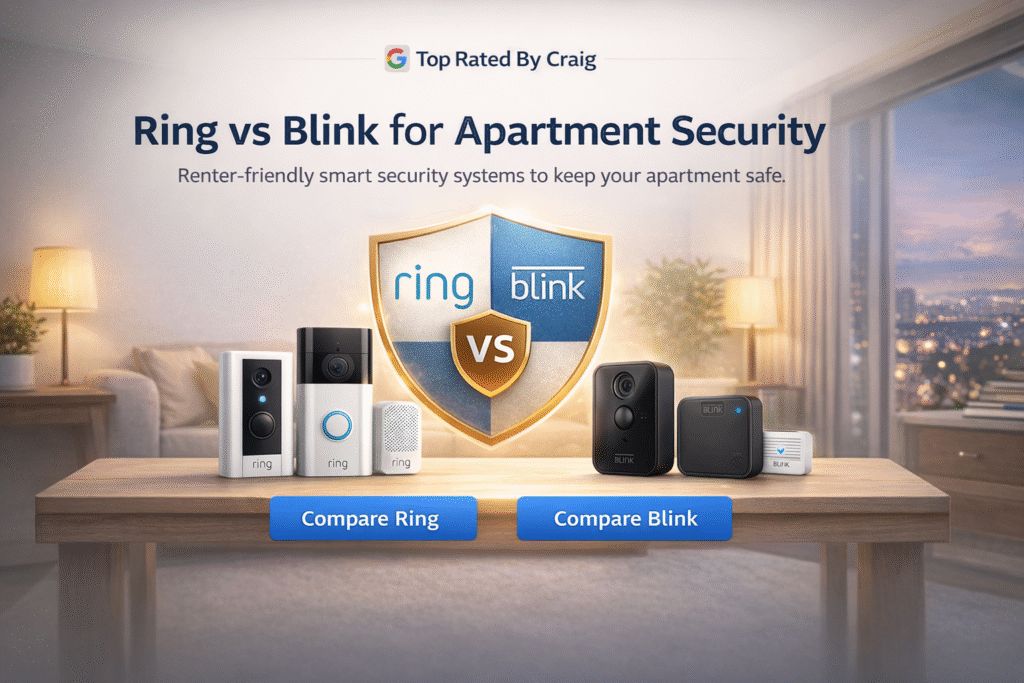
Ring vs Blink for apartment security is one of the most common comparisons renters make when choosing a battery doorbell. Before choosing between brands, it helps to understand how the best smart security systems for renters are structured for lease-friendly installs. That leads to sunk costs, scary deposits, and anxiety about drilled holes or hardwired bells—feelings that turn a security choice into a stress point instead of peace of mind. For most apartment renters who want the simplest, lowest-risk setup, Blink is the easier starting point.
According to the U.S. Department of Justice, simple visibility and monitoring improvements can significantly reduce burglary risk, which is why choosing the right apartment security setup matters.
This Ring vs Blink for apartment security comparison focuses specifically on lease-friendly installs and battery-powered setups. Start small and keep exit options open: Basic setup → plug-and-play, Growing setup → add a bridge, Full coverage → centralized hub. This guide prioritizes lease compliance and renter mobility over enthusiast customization. Each tier explains what you keep when you move out, how to avoid landlord friction, and when a subscription or optional bridge is actually worth the commitment for apartment security. It also shows lease-safe mounting and easy removal steps, so you keep your deposit and peace of mind.
👤 Who This Is For
- Renters worried about losing a security deposit from permanent installs
- People who move often but want reliable entry and motion alerts
- Those who prefer simple, removable doorbells and battery cameras
- Renters balancing budget limits with basic monitoring needs
- Anyone needing clear upgrade paths without landlord permission
📑 Table of Contents
- Introduction
- Who This Is For
- Quick Comparison Table
- Decision Shortcut
- FAQs
- Final Verdict
- About the Author
📊 Ring vs Blink for Apartment Security: Quick Comparison
| Product | Contract Required | DIY Install | Monitoring Option | Best For | Works With Alexa |
|---|---|---|---|---|---|
| Ring Video Doorbell (Battery) | No long-term contract | Yes (removable setup) | Optional monthly plan | Renters planning long-term growth | Yes |
| Blink Video Doorbell (Battery) | No long-term contract | Yes (wireless & adhesive) | Optional month-to-month | Quick setup & simple control | Yes |
| Ring Stick Up Cam (Battery) | No long-term contract | Yes (compact & wireless) | Optional low-cost plan | Budget-friendly small apartments | Yes |
Which Is Better for Most Renters?
For most renters who prioritize easy removal and lower upfront cost, Blink is the simpler option.
For renters planning to expand into a full ecosystem with additional cameras and smart devices, Ring offers stronger long-term flexibility.
Both can be lease-safe when installed with battery and adhesive mounts.
Ring Video Doorbell (Battery)
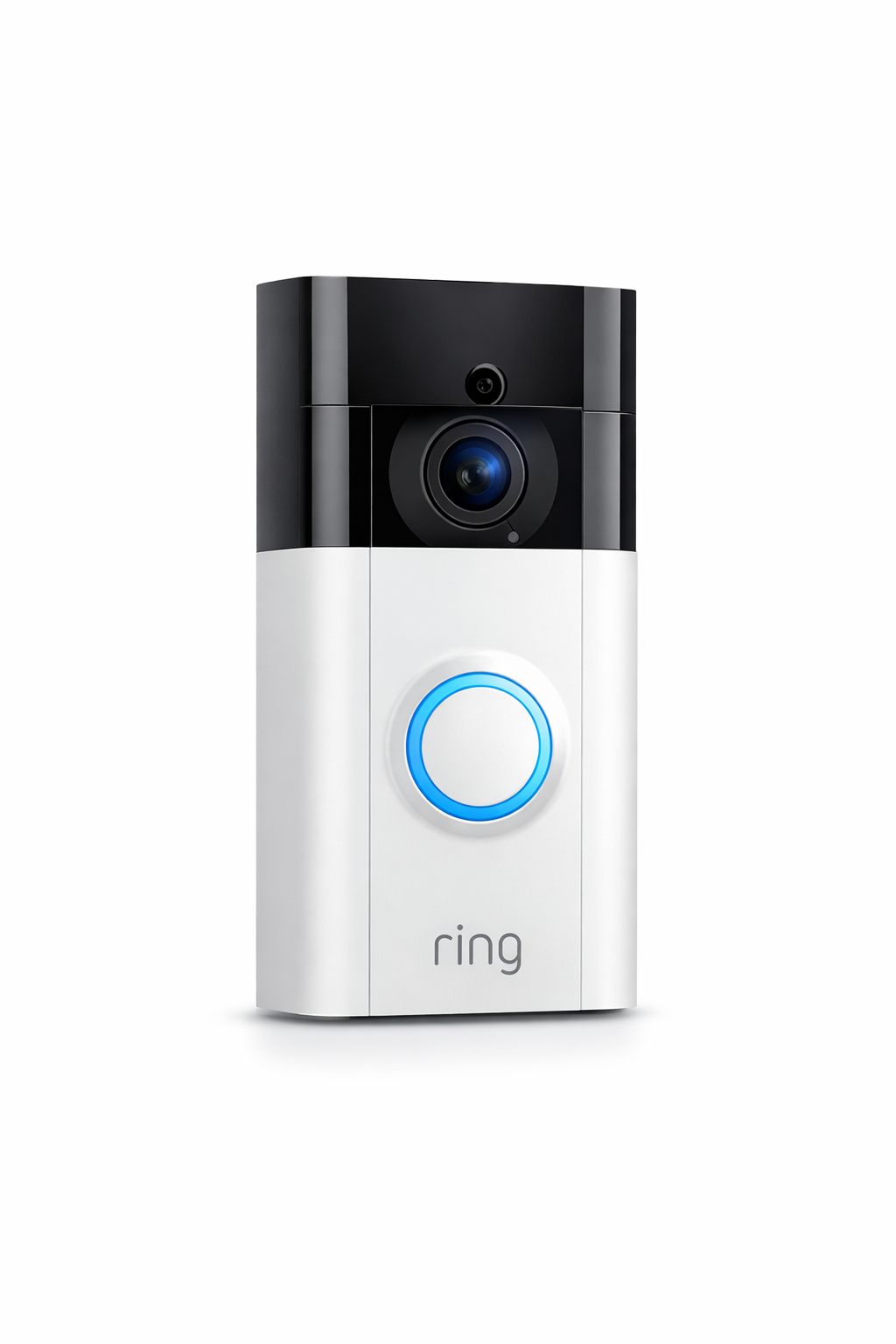
Best For: Renters planning long-term growth and ecosystem expansion
What It Is: A battery-powered video doorbell that records motion and live view without wiring.
Why Renters Love It: Removable, easy to install, and fits leases that prohibit drilling.
Real-Life Scenario: Mount with adhesive, get package alerts, then remove before moving out without damage.
One Limitation: Battery life varies with heavy use.
If you’re specifically looking for no-drill options, see our full guide to the best smart doorbell cameras for apartments without drilling.
Blink Video Doorbell (Battery)
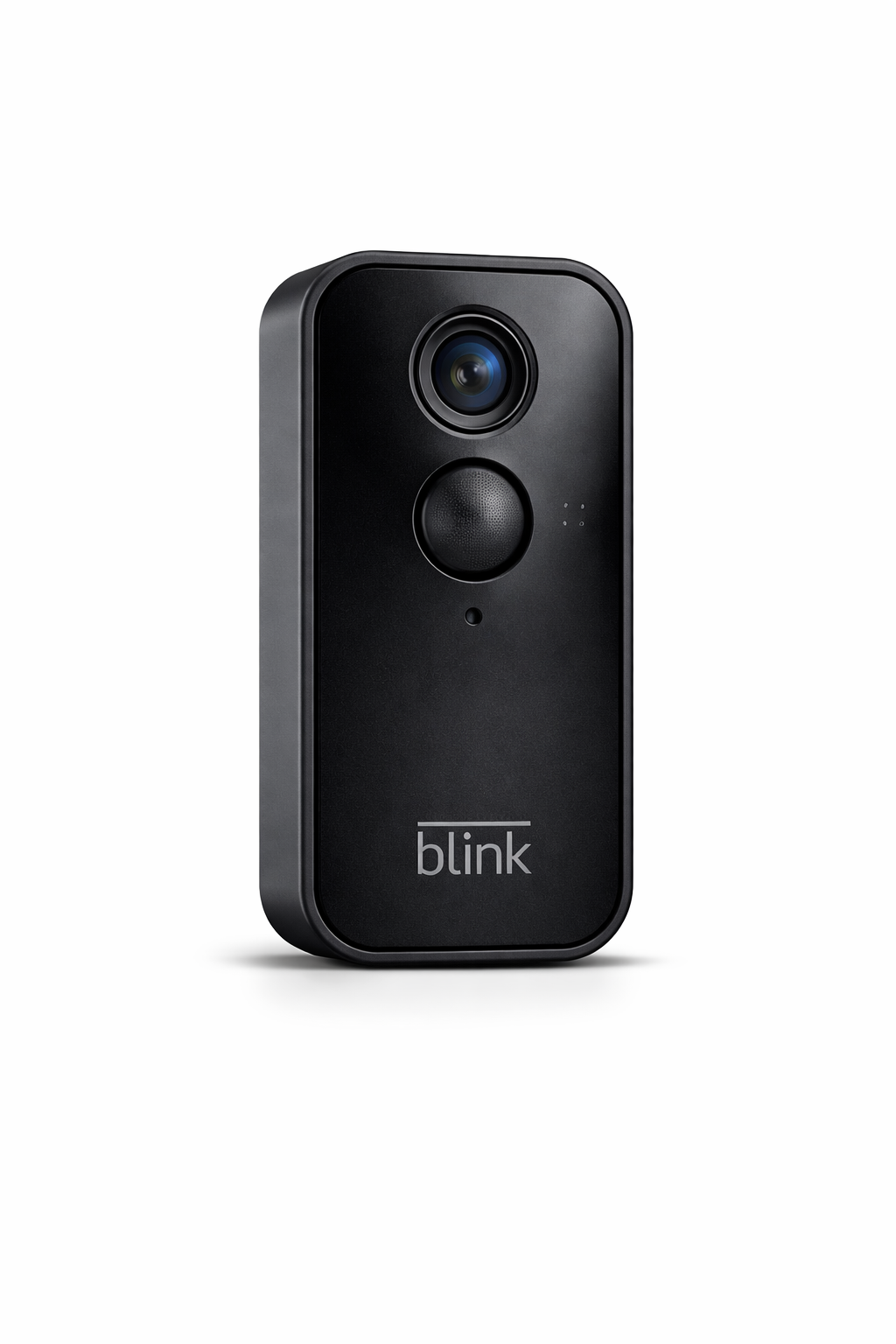
Best For: Quick setup and simple, removable apartment installs
What It Is: Simple battery doorbell focused on easy setup and long battery life.
Why Renters Love It: Very quick wireless install with adhesive mounts and minimal landlord involvement.
Real-Life Scenario: Place by the front door for instant alerts and remove before lease end.
One Limitation: Fewer advanced features than some competing systems.
Blink’s battery system can last up to two years with typical usage when paired with the Sync Module.
Ring Stick Up Cam (Battery)
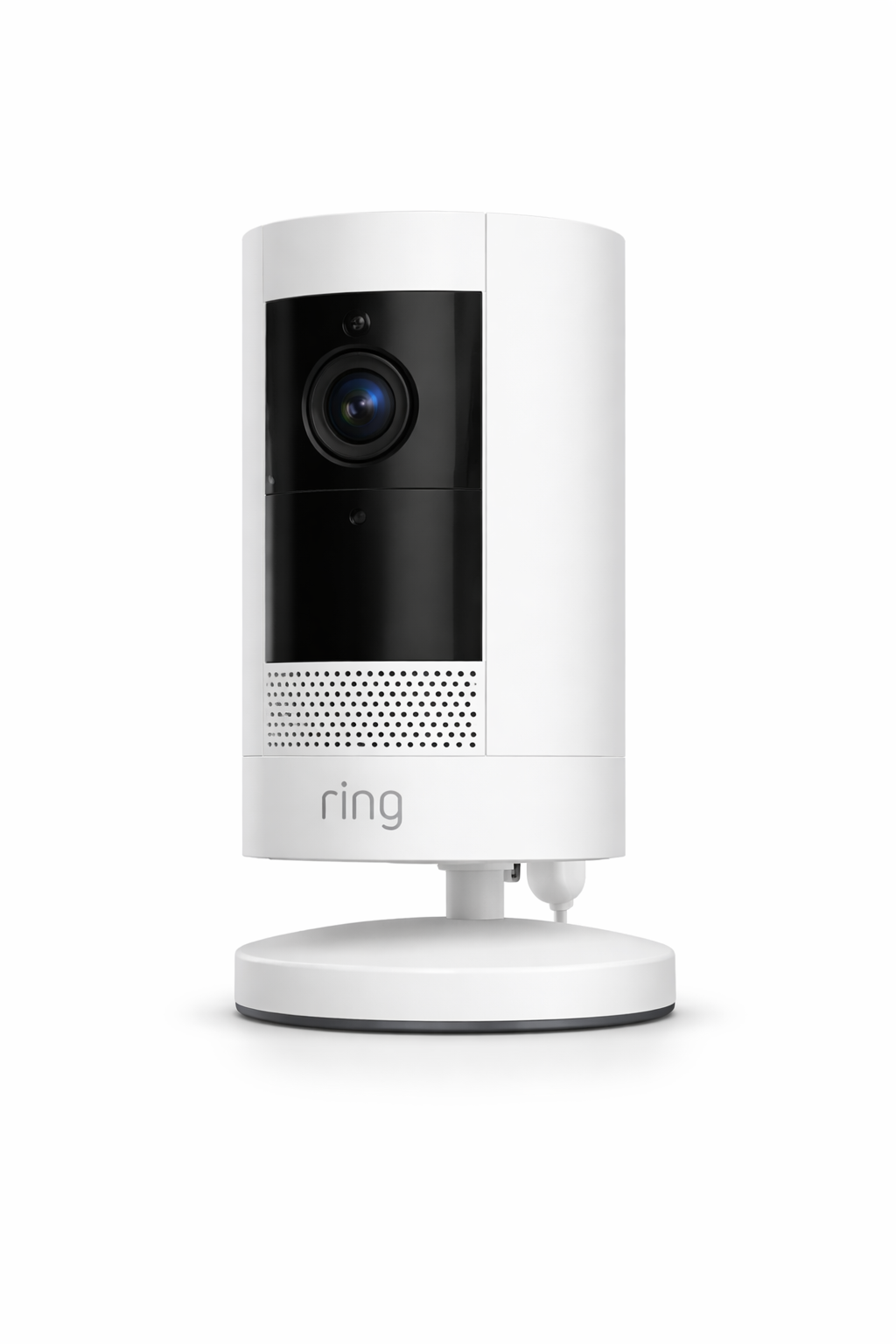
Best For: Renters who want added coverage without permanent installs
What It Is: Compact battery security camera for indoor or outdoor placement without wiring.
Why Renters Love It: Adds flexible coverage where needed and pulls down easily when relocating.
Real-Life Scenario: Set it on a shelf to monitor entryways or balcony, then take it with you.
One Limitation: Can need frequent recharging with heavy motion activity.
Do not choose based on features alone. For renters worried about commitment and deposits, Basic setup keeps things removable and simple, Growing setup uses a small bridge for more reliability without permanent changes, and Full Coverage centralizes control for long-term stability. Match the tier to how permanent you plan to be in your apartment.
🎯 Decision Shortcut
Fast pick based on how committed you are.
- Basic setup: Removable doorbell or battery cameras for quick, drill-free removal. Many renters combine battery doorbells with other no-drill smart home devices to keep their setup fully removable.
- Growing setup: Add a small bridge for steadier connections without permanent wiring.
- Full coverage: Use a centralized hub when you plan to stay longer and need scale.
❓ FAQs
What is the main difference between Ring and Blink?
Ring offers a broader hardware ecosystem and more wired options. Blink favors battery-powered simplicity, which is easier to remove before moving.
Are Ring and Blink both suitable for renters?
Yes, both offer removable setups and month-to-month plans. Check lease rules and choose battery or adhesive mounts to avoid drilling.
How do subscriptions and monitoring affect lease risk?
Subscriptions don’t affect your lease directly, but monitoring commitments can lock you into service. Avoid long-term contracts and prefer optional, month-to-month plans to keep exit flexibility.
How should I install a doorbell camera in an apartment?
Use adhesive mounts or battery models where possible and avoid hardwiring without landlord permission. Keep a removal kit and document condition to protect your deposit.
🏁 Final Verdict
Ring vs Blink for apartment security comes down to commitment and ecosystem plans. Do not sign long-term monitoring contracts or drill without permission; those steps create real financial and legal friction. Basic → plug-and-play Growing → bridge Full → centralized hub are the simplest way to think about progression.
Install removable mounts, save original packaging, and take condition photos before and after installation. This progression reduces commitment fear by matching system permanence to your lease horizon and lets you upgrade safely without violating terms or risking forfeited deposits.
👤 About the Author
Craig, Founder of TopRatedByCraig, TopRatedByCraig.com.
Focus on renter-first, lease-safe, scalable smart home security.
Pingback: Best Alexa Compatible Smart Locks for Renters – 2026
Pingback: Smart Plug vs Smart Switch: Which Is Better for Renters? (No Drill, No Risk)
Pingback: Best Smart Cameras for Apartments (No Drilling, Better Security – 2026)