
Last Updated: February 20, 2026
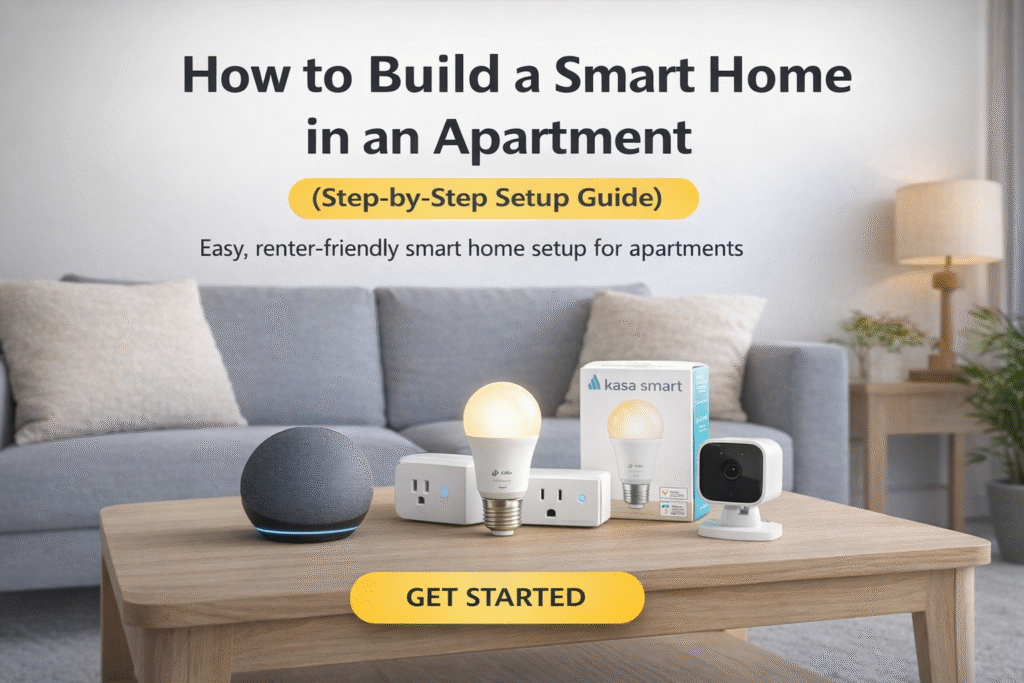
Building a smart home in an apartment is easier than most renters think.
You don’t need to drill holes.
You don’t need to rewire anything.
And you definitely don’t need to risk your security deposit.
This step-by-step guide shows you exactly how to build a smart home in an apartment, using renter-friendly, affordable, and easy-to-install devices.
Quick Picks (Easy Smart Home Setup for Apartments)
- Best Smart Hub: Echo Dot – Compact, affordable, and perfect for controlling your entire smart home with simple voice commands.
- Best for Automation: Kasa Smart Plug – Plug-and-play device that lets you automate lights, fans, and appliances with zero wiring.
- Best Smart Lighting: Kasa Smart Bulb – Easy screw-in setup with app and voice control, great for beginners.
- Best Indoor Camera: Blink Mini – Small, simple, and reliable for keeping an eye on your apartment.
- Best Door Security: Ring Battery Doorbell – Adds front-door security with a no-drill option, perfect for renters.
What Is a Smart Home (For Beginners)
A smart home is a setup where devices like lights, plugs, cameras, and thermostats can be controlled remotely or automated using your phone or voice.
Instead of manually controlling everything, smart homes allow you to:
- Turn devices on/off remotely
- Automate routines
- Control devices with voice assistants like Alexa or Google
Example:
You can say:
“Turn off all lights”
And your entire apartment responds instantly.
👉 A smart home is about convenience, automation, and control
⚡ Quick Verdict
If you want the fastest, simplest setup:
- Start with a smart speaker
- Add smart plugs
- Install smart bulbs
- Upgrade to a battery-powered security camera
- Optional: Add a no-drill smart lock or doorbell
You can build a complete apartment smart home in under an hour.
👤 Who This Is For
This guide is for:
- Apartment renters
- College students
- First-time smart home users
- Budget-conscious buyers
- Anyone who cannot modify walls or wiring
Do You Need a Hub for a Smart Apartment?
The short answer: not always.
You DON’T Need a Hub If:
- You’re using WiFi devices
- You want a simple setup
- You’re just getting started
You MAY Need a Hub If:
- You want advanced automation
- You’re using Zigbee or Matter devices
- You plan to expand your setup
Beginner Recommendation:
Start without a hub, then upgrade later if needed.
👉 Most renters can build a full smart home without a hub
If you’re looking for budget picks, read:
👉 Cheap Smart Home Devices for Small Apartments Under $100
- Quick Verdict
- Who This Is For
- Recommended Apartment Smart Home Setup
- Step 1: Choose a Smart Hub
- Step 2: Add Smart Plugs
- Step 3: Upgrade Your Lighting
- Step 4: Add Indoor Security
- Step 5: Upgrade Entry Security
- Why Build a Smart Home in an Apartment?
- FAQ: How to Build a Smart Home in an Apartment
- Final Verdict
- About the Author
Smart Home vs Traditional Setup (What’s the Difference?)
A traditional home setup requires manual control, while a smart home automates everything.
Traditional Setup
- Manual switches
- No automation
- No remote control
Smart Home Setup
- App control
- Voice commands
- Automated routines
Why It Matters:
Smart homes save time, improve convenience, and can even reduce energy usage.
👉 Smart homes turn everyday tasks into automated actions
🔎 Recommended Apartment Smart Home Setup
| Category | Recommended Device | Why It Works in Apartments |
|---|---|---|
| Smart Hub | Echo Dot | Compact & affordable |
| Smart Plug | Kasa Smart Plug | No wiring required |
| Smart Bulb | Kasa Smart Bulb | Screw-in install |
| Camera | Blink Mini | Plug-and-play |
| Door Security | Ring Battery Doorbell | No drilling option |
Smart Home Cost Breakdown for Apartments
Building a smart home doesn’t have to be expensive.
A basic setup with a smart speaker and a few plugs can cost under $100, while a more advanced setup with lighting and sensors may cost several hundred dollars. The total cost depends on how many devices you add and how advanced your setup becomes.
Starting small and expanding over time helps keep costs manageable.
Step 1: Choose a Smart Hub
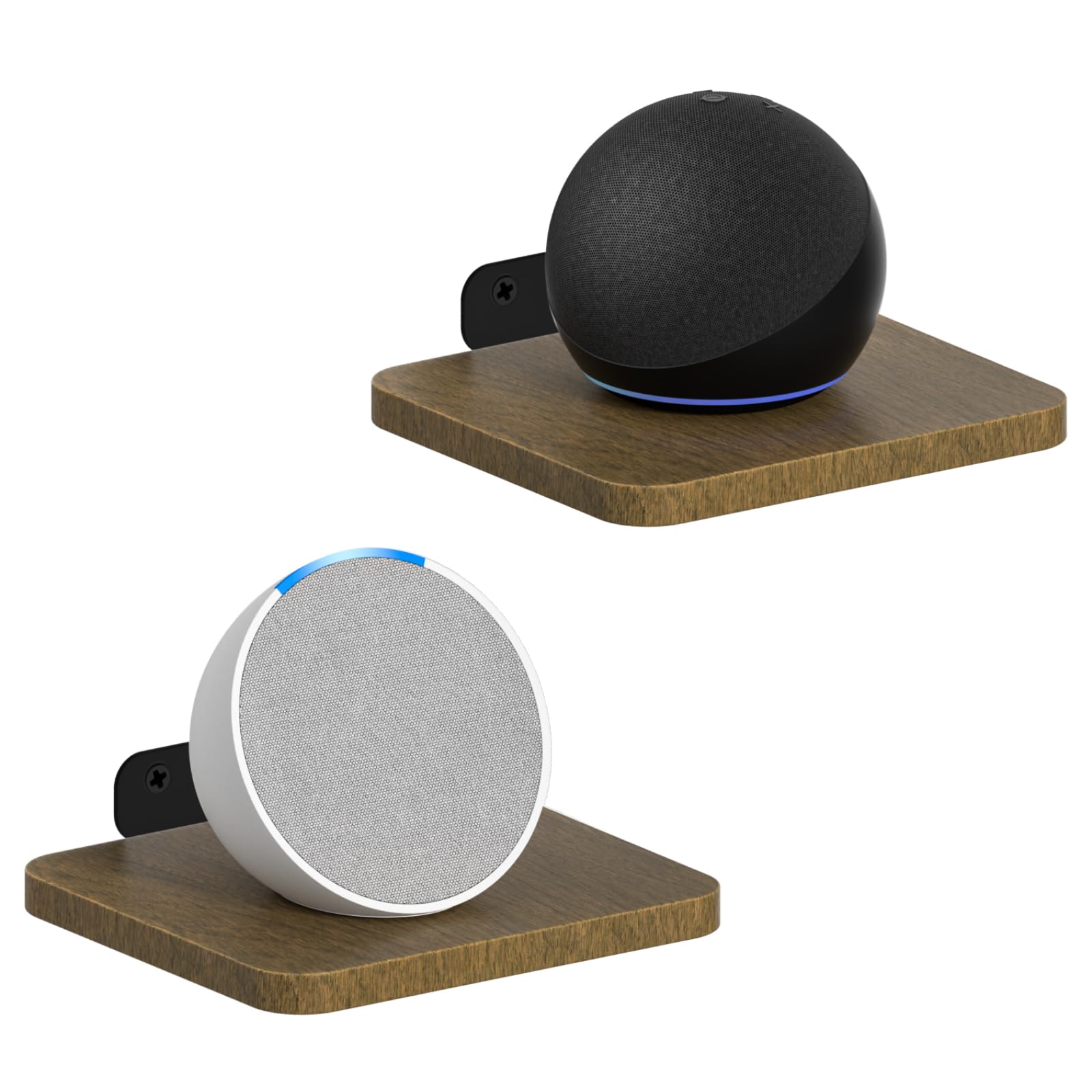
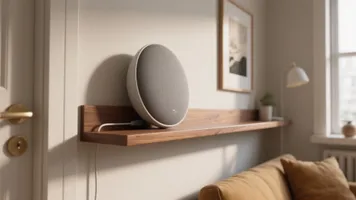

Amazon Echo Dot is the simplest starting point.
Why:
- Controls other devices
- Small footprint
- Affordable
- Alexa compatible
Best Smart Home Hub Options for Apartments
If you decide to use a hub, here are the best options for apartment setups:
1. Amazon Echo (Built-In Hub Models)
✔ Works with Alexa
✔ Supports multiple devices
✔ Beginner-friendly
2. Google Nest Hub
✔ Great for Google users
✔ Simple interface
3. SmartThings Hub
✔ Advanced automation
✔ Supports multiple protocols
👉 For most renters, an Echo device is the easiest starting point
Common Mistakes When Building a Smart Home in an Apartment
One of the biggest mistakes beginners make is buying too many devices at once.
This can make setup confusing and harder to manage. Another common mistake is mixing devices that don’t work well together, leading to compatibility issues.
Starting with a few core devices and building gradually helps create a smoother experience.
Step 2: Add Smart Plugs


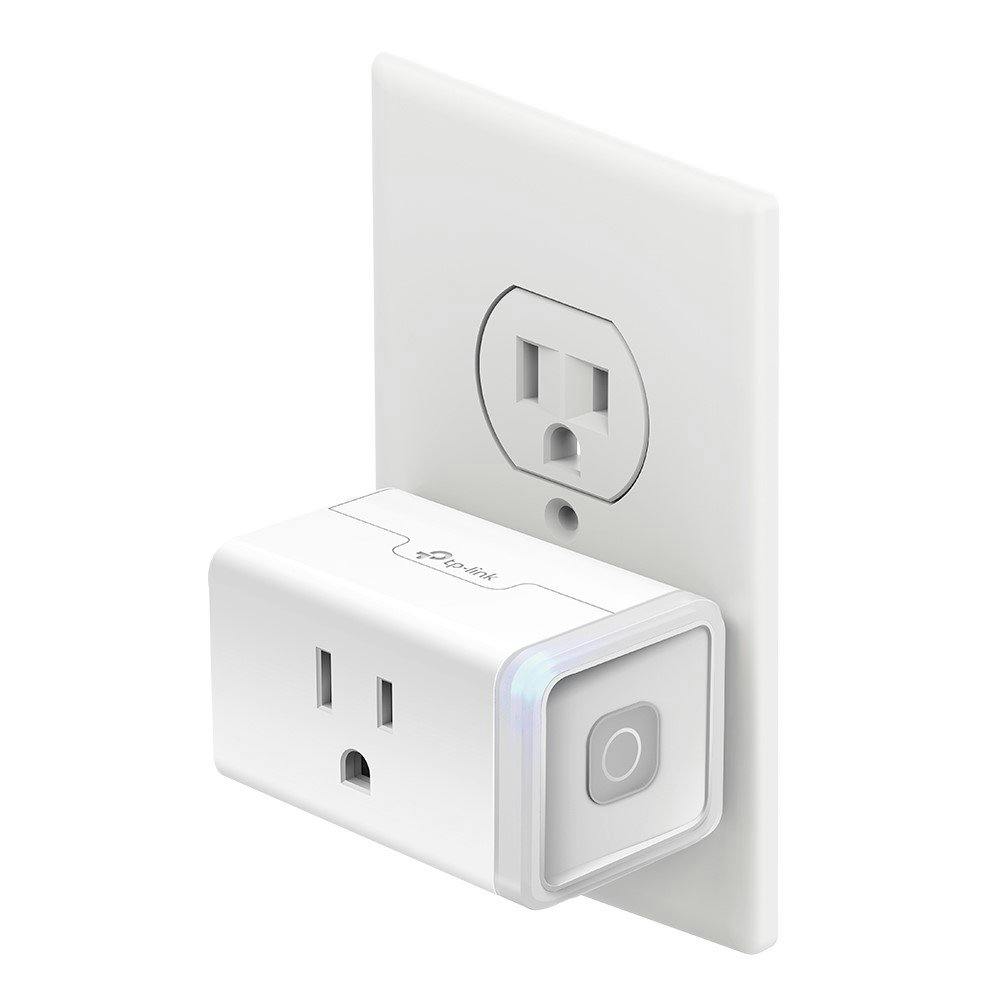
Kasa Smart Plug Mini allows you to control lamps, fans, and coffee makers instantly.
No wiring. No tools.
How to Improve WiFi Performance for Smart Home Devices
WiFi plays a major role in how well your smart home functions.
In apartments, multiple networks and thick walls can weaken signals. Placing your router centrally and keeping devices within range can improve reliability.
A stable connection ensures faster response times and fewer connectivity issues.
Step 3: Upgrade Your Lighting


TP-Link Kasa Smart Light Bulb installs like a normal bulb.
No electrician needed.
What Should You Automate First in a Smart Apartment?
Automation is what makes a smart home truly useful.
For beginners, simple automations like turning lights on at sunset or scheduling devices to turn off at night provide immediate value. Starting with basic routines makes it easier to expand later.
Focusing on a few key automations prevents your setup from becoming overwhelming.
Smart Home Setup Without Wiring (Renter-Friendly Guide)
One of the biggest concerns renters have is installation — but the good news is you can build a smart home without any wiring.
No-Wiring Devices:
- Smart plugs
- Smart bulbs
- Wireless cameras
- Battery-powered sensors
Why This Matters:
✔ No damage to walls
✔ No landlord approval needed
✔ Easy to remove when moving
👉 A full smart home can be built using plug-and-play devices only
Step 4: Add Security
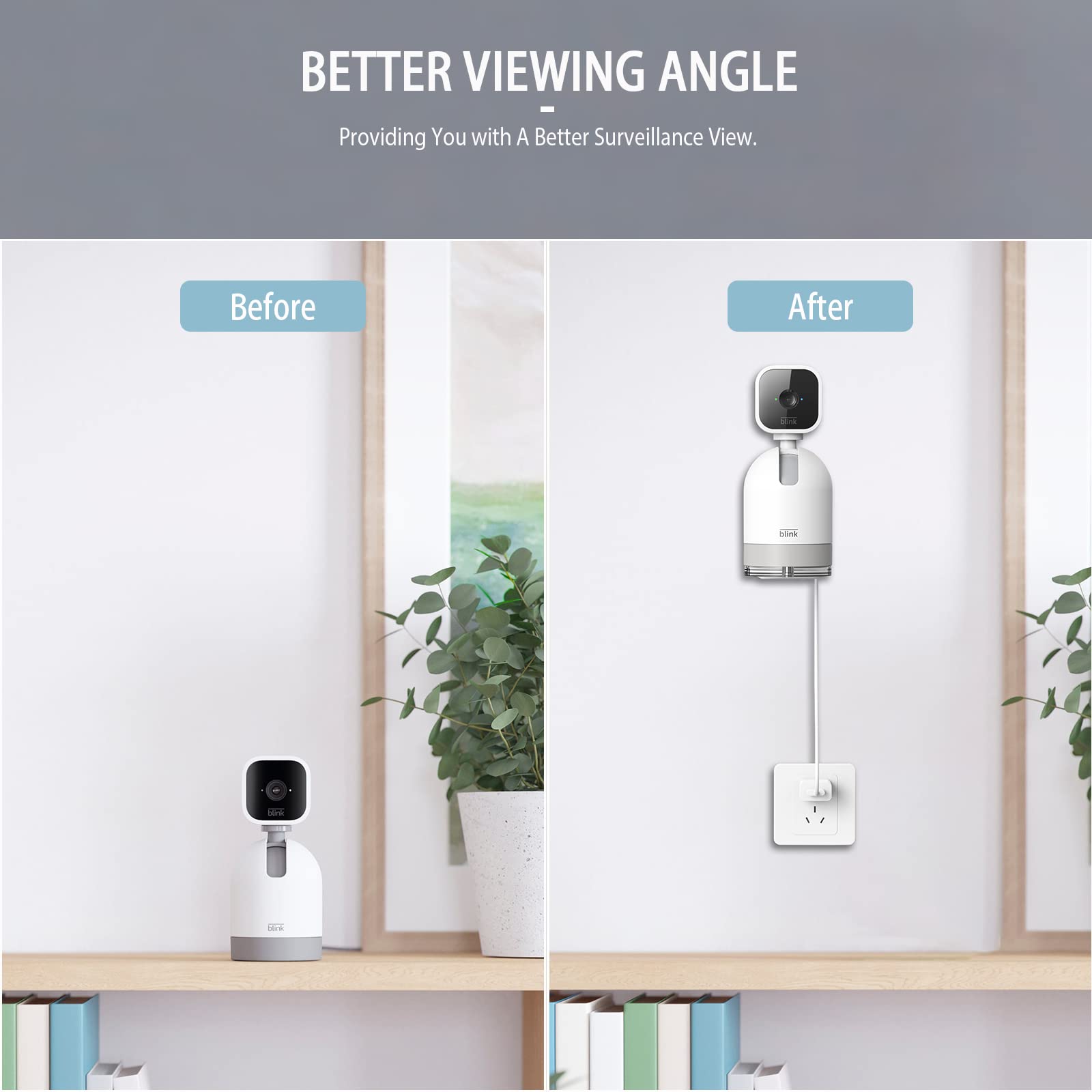


Blink Mini provides affordable indoor monitoring.
If you want entry security, read:
👉 Best Doorbell Cameras for Apartments Without Drilling
Step 5: Upgrade Entry Security
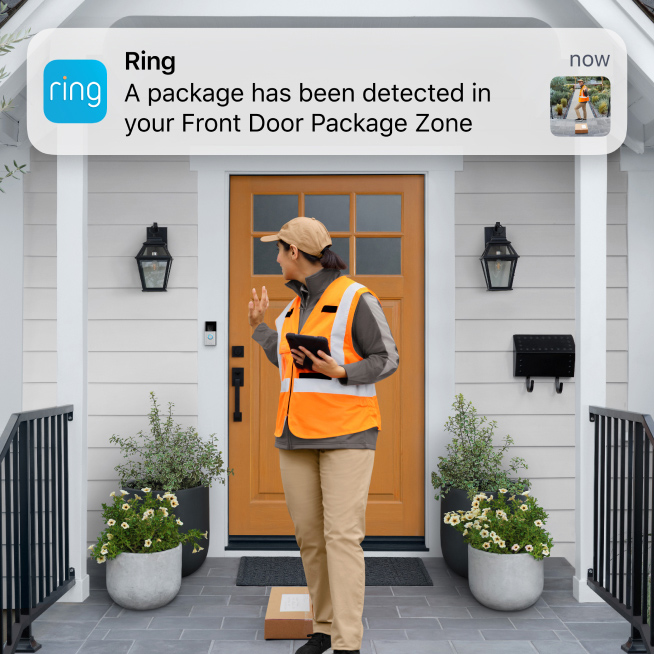

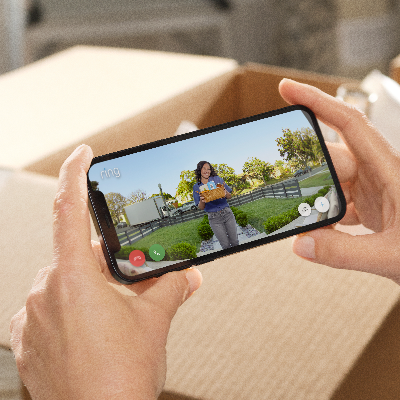
Ring Battery Doorbell Plus works with removable mounts.
For locks, see:
👉 Best No-Drill Smart Locks for Apartments
How to Build a Smart Home Step-by-Step (Simple Plan)
If you’re starting from scratch, follow this simple plan:
Step 1: Start with a Smart Speaker
This becomes your control center.
Step 2: Add Smart Plugs
Control everyday devices easily.
Step 3: Upgrade Lighting
Add smart bulbs for automation and ambiance.
Step 4: Add Security Devices
Cameras, sensors, and doorbells.
Step 5: Expand Gradually
Add more devices as needed.
👉 Start simple, then scale over time
🎯 Decision Shortcut
If you want:
- Voice control → Start with Echo Dot
- Smart lighting → Add bulbs
- Appliance control → Use plugs
- Security → Add camera
- Entry protection → Add doorbell
Build in phases. No rush.
💡 Why Building a Smart Home in an Apartment Makes Sense
Building a smart home in an apartment isn’t just about convenience — it’s about flexibility.
Unlike homeowners, renters need solutions that are:
- Easy to install
- Easy to remove
- Budget-friendly
- Compact for small spaces
The good news is that most modern smart home devices are modular. You can start with one smart speaker, add lighting next, then expand into security when you’re ready. There’s no need to invest thousands upfront.
A smart apartment setup also improves:
- Energy efficiency
- Daily routines
- Remote monitoring
- Voice control convenience
- Safety without permanent modifications
The key is choosing devices that work together and don’t require drilling or rewiring. When done correctly, building a smart home in an apartment is one of the most practical upgrades a renter can make.
❓ FAQ: How to Build a Smart Home in an Apartment
Can I build a smart home without drilling?
Yes. Most renter-friendly devices are plug-and-play.
Do I need a hub?
Not necessarily. Many devices connect directly via Wi-Fi.
Will this void my lease?
Battery-powered and removable devices are generally safe, but always review your lease terms.
Is it expensive?
You can start under $100 and expand gradually.
According to Consumer Reports, modular smart home systems provide flexibility for renters and small spaces.
Is It Worth Building a Smart Home in an Apartment?
Yes — especially for renters.
Smart homes provide:
- Convenience
- Energy savings
- Improved security
- Easy control of your environment
Unlike traditional setups, smart home devices are portable and can move with you.
👉 For renters, it’s one of the easiest ways to upgrade your living space
How to Expand Your Smart Home Over Time
A smart home doesn’t need to be built all at once.
Once your basic setup is working, you can gradually add devices like sensors, cameras, or advanced automation. Expanding slowly allows you to learn what works best for your space.
This approach keeps your system simple while still allowing it to grow.
🏆 Final Verdict
Learning how to build a smart home in an apartment is about starting small and expanding intentionally.
You don’t need a house.
You don’t need renovations.
You just need the right devices.
Start simple. Expand later.
👨💻 About the Author
Craig is the founder of TopRatedByCraig.com, focused on renter-friendly smart home solutions. His mission is to help apartment dwellers build smarter, safer homes without damaging property or overspending.
Pingback: Best Matter Hubs for Apartments (No Drilling)
Pingback: Alexa Built-In vs Dedicated Hub: Which Is Better?
Pingback: Matter vs Alexa for Renters (2026 Guide)
Pingback: Philips Hue vs Govee for Small Apartments (2026 Comparison)
Pingback: Best Alexa Devices Under $50 for Renters (Budget Picks)
Pingback: Alexa vs Matter for Apartments: Which System Wins?